
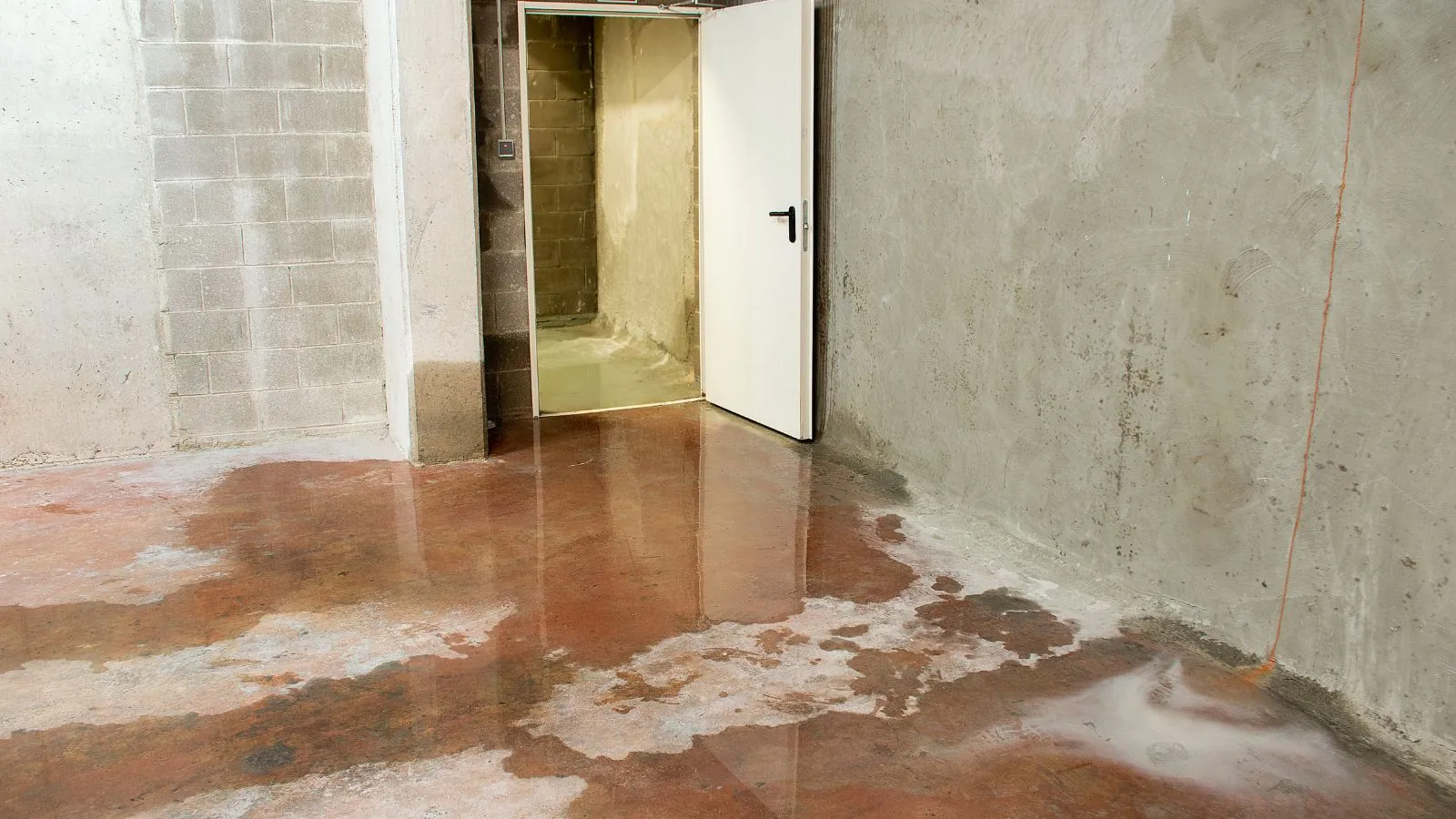
Chapel Hill's hills mean many homes have walkout basements and partial lower levels. Water gets into those spaces from storm runoff, plumbing failures, water heaters, sump pump problems and drain backups. A basement often holds a family room, storage, a laundry area and mechanical equipment, so water damage there is costly. This page explains how to respond to a wet basement and how cleanup works.
When a basement is an emergency
Standing water in a basement is urgent, especially if it covers outlets, a furnace or a water heater. Deep water also pushes on walls. Do not enter the basement if water is near electrical equipment, and do not use gas appliances in a flooded space. If you cannot reach the panel safely, call the electric utility.
What caused the water?
The source determines the cleanup and whether insurance applies.
Plumbing leak or burst pipe
Clean water, often covered by homeowners insurance. See burst pipe water damage.
Water heater failure
Large volume, clean water. See water heater leak cleanup.
Sewer or drain backup
Contaminated water. See sewage backup cleanup.
Storm runoff or creek flooding
Contaminated, often excluded from standard homeowners coverage.
Groundwater seepage
Slow, recurring, and often a drainage problem.
Chantal and Chapel Hill basements
During Tropical Storm Chantal on July 6, 2025, rain fell faster than many drainage systems could handle. Orange County's after-action summary counted 448 homes directly impacted, and many of those were low-lying. If your basement flooded then, the repairs may still be underway or may have exposed weak points in grading and drainage. A restoration crew can dry and clean the space, but drainage improvements are a separate project.
Basement cleanup process
- Check hazards: electricity, gas, standing water depth and any structural concerns.
- Pump water out gradually to avoid stress on walls and floors. A rapid drop can damage a foundation, so depth and soil conditions guide the pace.
- Remove wet carpet, pad, insulation and drywall that cannot be dried.
- Clean and treat hard surfaces, especially after contaminated water.
- Dry the concrete, framing and remaining finishes with air movers and dehumidifiers.
- Move salvageable belongings and document damaged items.
Finished versus unfinished basements
| Basement type | Common damage | Cleanup focus |
|---|---|---|
| Unfinished | Stored items, walls, mechanical equipment | Pumping, cleaning, drying concrete. |
| Finished | Carpet, drywall, cabinets, electronics | Material removal, drying, rebuild. |
| Walkout | Door thresholds, patio drainage | Drainage cause, door seals, drying. |
Restoration is not waterproofing
Restoration returns your basement to a dry, clean state. It does not stop future water from entering. If water keeps coming in through walls or the floor, you may need a waterproofing contractor, a drainage fix, grading changes or a sump system. We will say so honestly when that is the case, rather than promising a dry basement forever. For crawl spaces, see crawl space water damage.
Questions to settle before drying starts
Before equipment goes in, a few answers shape the whole job. Is the water still entering, and from where? Is the sump pump running, and does it have power? Did water reach the furnace, water heater or electrical panel?
Were stored boxes, photos or papers on the floor? Is any part of the basement used as a bedroom or rental unit? Each answer changes the plan, the order of work and what you should tell your insurer. Write them down while you wait for the crew, along with the time you first noticed water.
Items on the basement floor
Cardboard boxes wick water upward and fall apart. Move what you can to a dry upper floor, lay photos and papers flat to dry and photograph anything you must throw away. Upholstered furniture that sat in contaminated water is usually not worth saving, while hard furniture can often be cleaned and dried.
What changes the cost
Cost depends on water depth and category, basement size, finished versus unfinished space, drying days and rebuild. Scope and price are explained before work starts. Want your real number? Call (844) 950-6900.
Questions homeowners ask
Do you handle basement water damage emergencies at night or on weekends in Chapel Hill?
Yes. The 24/7 line is open during storms and nights. Tell the dispatcher how deep the water is and whether it is near electrical equipment.
Should I pump out the water myself?
Small amounts, yes. For deep water, pumping too quickly can stress walls. A restoration crew can manage the pace.
Will my insurance cover a basement flood?
Homeowners policies usually cover sudden plumbing water but not flood or rising water. Sewer backup often needs an endorsement. Ask your insurer.
Can you waterproof my basement?
We handle restoration. Waterproofing is a separate trade, and we will point you in the right direction when it is the issue.