
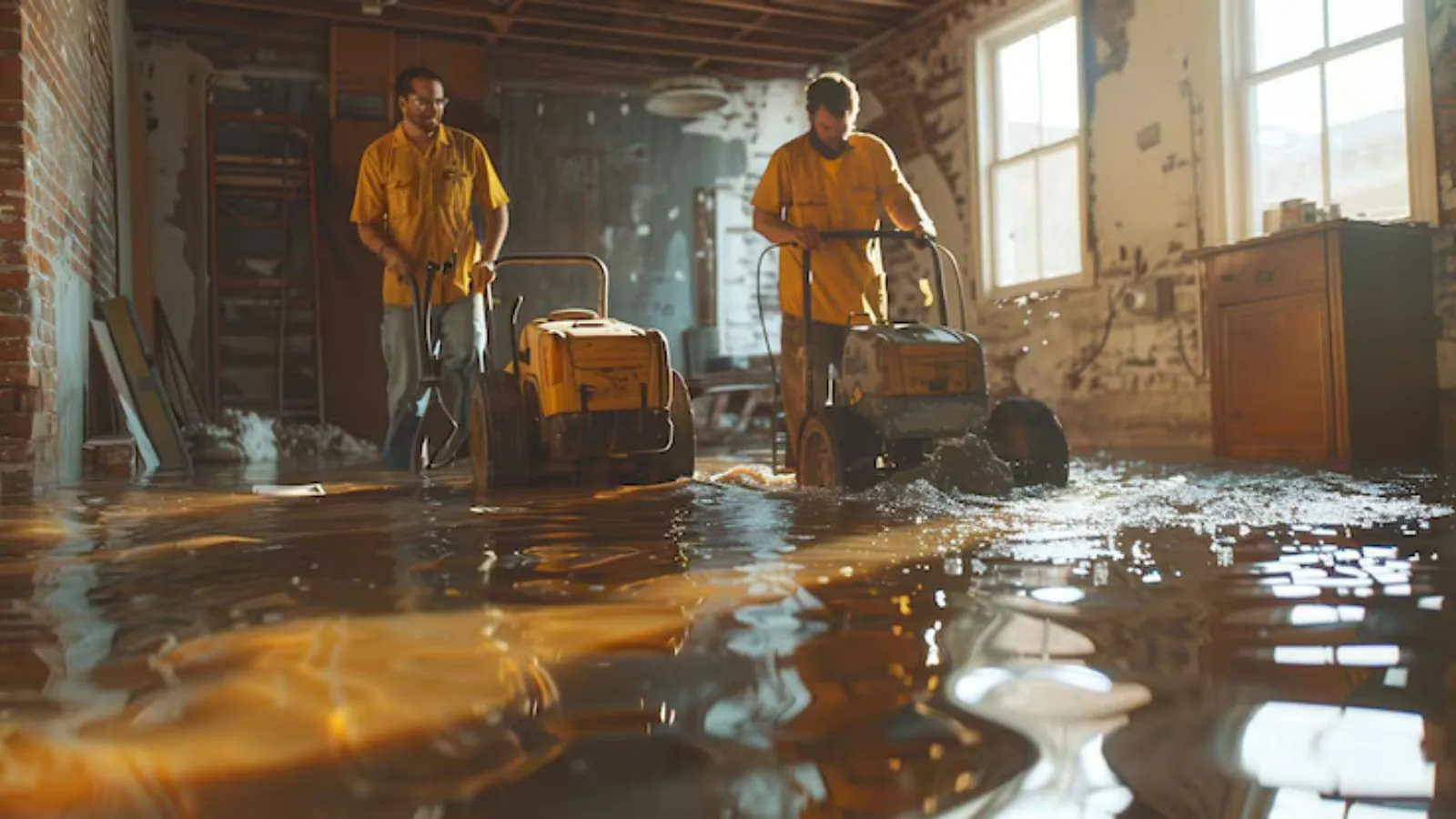
Sewage backups can happen through a floor drain, a toilet, a tub or a basement sink. The water is considered highly contaminated, which industry standards classify as Category 3 water. It needs professional handling, protective equipment and safe disposal. This page explains what a sewage backup looks like, what to do first and how cleanup works. The line is open 24/7.
Why you might be searching for this
People often arrive here because of a symptom: a drain that gurgles, a toilet that bubbles when the washer drains, a foul smell in the basement, or dark water pooling at a floor drain. Those can all mean a blockage in the sewer line. When wastewater comes back into the building, the problem becomes a sewage backup cleanup.
Sewage backup: what to do first
Contaminated water is a health risk. Do not touch it, do not try to clean it up with household tools and do not let children or pets near it.
- Stop using water. No flushing, laundry, dishwashing or showers.
- Keep people and pets out of the area.
- Shut off power to the area only if the panel is dry and safe to reach. If water is near outlets or the panel, call the power company or 911 first.
- Call your sewer utility. In Chapel Hill and Carrboro, wastewater service is provided by Orange Water and Sewer Authority, and in other towns it may be a different provider. Ask whether the blockage is in the public main or on your property.
- Call a plumber for the blockage. Call us for the contaminated water.
What cleanup involves
- Technicians wear protective gear and set containment so contamination does not spread to clean areas.
- Contaminated water is removed with pumps and extractors.
- Porous materials such as carpet, pad, drywall and insulation that touched the water are removed and disposed of.
- Hard surfaces are cleaned and treated with antimicrobial products.
- The area is dried with air movers and dehumidifiers, and moisture is checked.
- The work is documented for your insurer.
Why drying is not enough
Dry and disinfect is a plan for clean water. Sewage leaves bacteria and organic material in porous surfaces that cannot be cleaned by drying alone. That is why carpet and drywall in a sewage backup are normally removed. ANSI/IICRC S500 describes how contaminated water should be handled, and you can ask any company whether its crews follow it.
| Material | After a sewage backup | Reason |
|---|---|---|
| Carpet and pad | Removed | Cannot be reliably cleaned. |
| Drywall and insulation | Removed above the contact line | Absorb contaminated water. |
| Concrete and tile | Cleaned and treated | Non-porous surfaces can be sanitized. |
| Wood framing | Cleaned and dried | Surface treatment and drying. |
Insurance and sewer backup coverage
Many standard homeowners policies exclude sewer or drain backup unless a specific endorsement is added. Read your policy and ask your insurer. Document everything and keep receipts for emergency services.
Protecting yourself until the crew arrives
Keep children, pets and anyone with a weak immune system out of the area. Do not run the washing machine, dishwasher or shower, because more water adds to the backup. If you must enter, wear waterproof boots and gloves and wash well afterward. Do not mix cleaning chemicals and do not try to dry contaminated materials with household fans, which spread airborne particles.
Finding the blockage
A backup that affects only one fixture may point to a blocked branch line. A backup in the lowest drains of the house may point to the main line or the public sewer. Call a plumber or the utility for that part. Restoration handles what the water touched, not the pipe itself.
What changes the cost
Cost depends on how much area was contaminated, how deep the water was, which materials were affected, drying days and rebuild. Sewage jobs involve more protective work and disposal, so they cost more than clean water events. Scope and price are explained before work starts. Want your real number? Call (844) 950-6900.
If the backup came from floodwater or storm runoff, see storm water damage cleanup. If it reached a basement, tell the dispatcher so equipment matches the space.
Questions homeowners ask
Do you handle sewage backup emergencies at night or on weekends in Chapel Hill?
Yes. The dispatch line is open 24/7. Keep everyone out of the area and call. A plumber should clear the blockage, and we handle the contaminated water and cleanup.
Can I clean sewage water myself?
It is not recommended. Sewage carries bacteria and viruses. Protective gear, containment and proper disposal are needed.
Who is responsible for a sewer backup, the city or me?
It depends on where the blockage is. Call your sewer utility to find out whether it is in the public main or your private line.
Why does my toilet bubble when I run the washer?
That can signal a partial blockage in the drain or sewer line. Stop using water and call a plumber.