
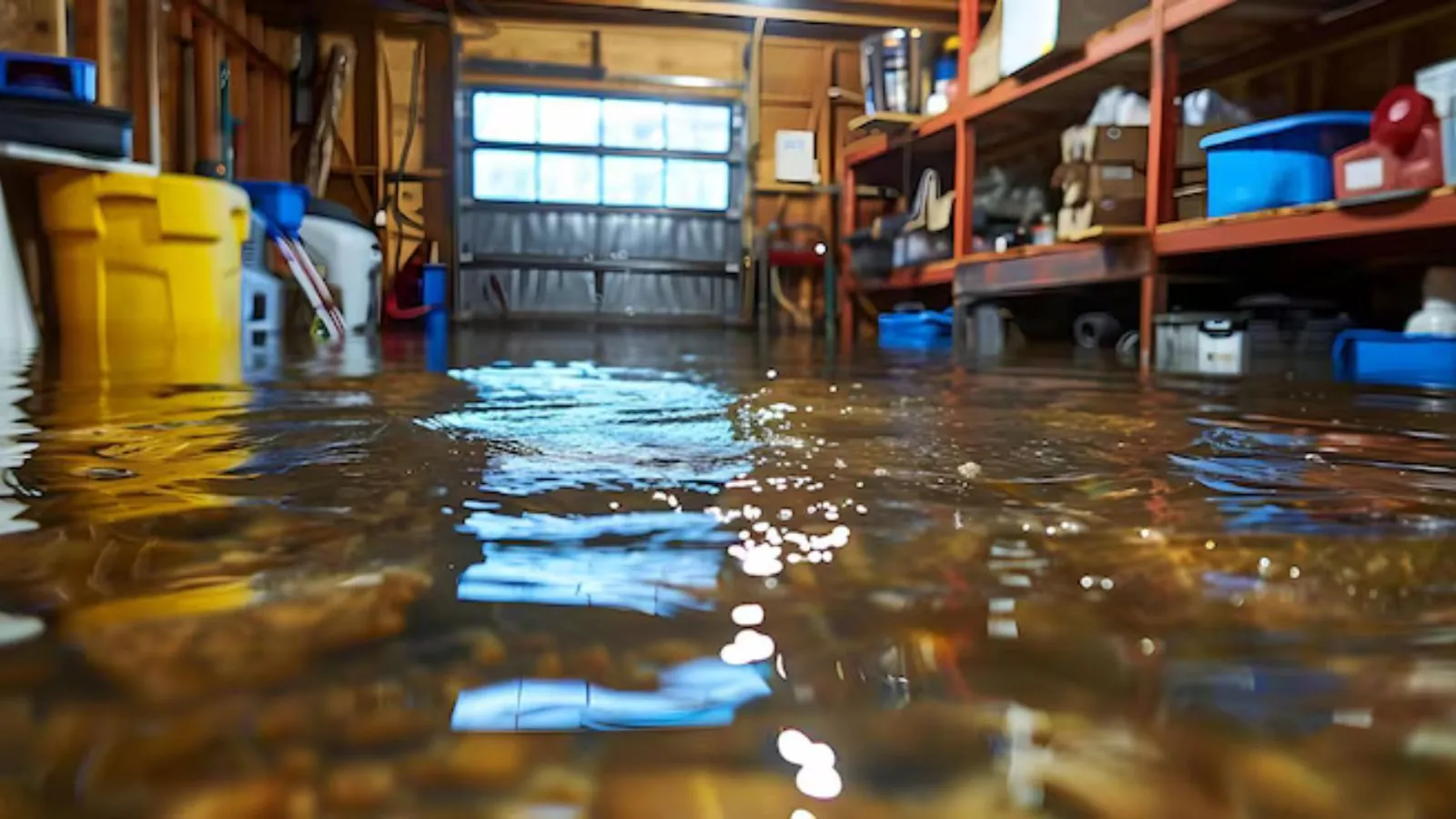
Commercial water damage covers offices, retail stores, restaurants, medical and professional suites, apartment common areas and light industrial space. Chapel Hill has a lot of this: Franklin Street storefronts, shopping centers, university-area businesses and office parks. Water events in these spaces involve larger floor areas, tenants, landlords and sometimes health regulations. This page explains how commercial water damage is handled and what to do right away.
Commercial drying plans follow the ANSI/IICRC S500 standard, with daily readings recorded for every affected suite.
First steps for a business
Make the space safe first. Move people out of wet areas, stop the water source if you can and shut off power to wet equipment only if it is safe. Call your property manager or landlord, then call us. Take photos and video of the water, the source and any damaged inventory or equipment.
If food, medicine or sensitive documents are involved, tell the dispatcher so priorities can be set. Do not move wet inventory before documenting it, because your insurer may ask for a record.
When a commercial loss is an emergency
Most commercial water events are urgent because they affect your ability to operate. Standing water in a restaurant kitchen, an office with servers on the floor or a retail store with open carpet should be treated as an emergency.
Chapel Hill commercial flood history
Tropical Storm Chantal on July 6, 2025 flooded Eastgate Crossing, a shopping center built in the late 1950s with Booker Creek running underneath it. Reports described Great Outdoor Provision Co. closing for about three months and reopening in October 2025, and ABC11 reported an estimated eleven million dollars in damage to the center and its businesses. The lesson for any commercial tenant is the same: know your flood coverage, know where your valuables sit and have a plan before heavy rain.
How we handle commercial jobs
- Assess the space, the water source and the occupancy. Identify safe working areas.
- Remove standing water and pull water from carpet, tile bases and wet drywall.
- Dry the structure with air movers and dehumidifiers sized for the space, and keep noise and access in mind for ongoing operations.
- Record moisture readings and take photos so landlords, tenants and insurers have a shared record.
- Coordinate with building management, cleaners and contractors on the rebuild schedule.
Landlord and tenant responsibilities
| Question | Who usually decides | What to do |
|---|---|---|
| Who calls for cleanup | The lease and the property owner | Review the lease and notify the manager immediately. |
| Who pays for tenant improvements | Lease terms and insurance | Document the loss and notify all insurers. |
| Who handles building structure | Building owner | Coordinate access and scope. |
| Who handles business contents | Tenant and tenant's insurer | Photograph and list damaged items. |
Keeping a business open
Many commercial losses are about downtime. Tell the dispatcher whether the space must reopen soon, whether customers or tenants share the area and whether equipment, inventory or records are at risk. Work can often be staged so one section dries while another stays in use. Quiet equipment, after-hours visits and clear signs for staff help limit disruption.
Landlords, tenants and managers
In a leased space, the source of the leak often decides who handles the repair and who files the claim. Notify the property manager, photograph each affected suite and keep a written list of what you did and when. Shared walls and ceilings can move water to neighboring tenants, so early notice protects everyone.
Shops and homes sit close together in mixed-use areas such as Southern Village, where a leak in one space can reach another.
What changes the cost
Cost depends on the square footage wet, the water category, building materials, drying days, after-hours work and rebuild. Larger spaces use more equipment. Scope and price are explained before work starts. Want your real number? Call (844) 950-6900.
Business policies vary. Flood and rising water are often excluded from commercial property policies unless flood coverage was added. Ask your agent before you start repairs.
For a leak that began in a pipe, see burst pipe water damage. For rainfall damage, see storm water damage cleanup.
Questions homeowners ask
Do you handle commercial water damage emergencies at night or on weekends in Chapel Hill?
Yes. The 24/7 line is available for businesses. Call as soon as the water is found and describe the space, the source and any concerns about inventory or equipment.
Can you work around our business hours?
We try to schedule drying and removal to limit disruption. Tell the dispatcher about your hours and access needs.
What documentation do you provide for insurance?
Photos, moisture readings and a description of the work performed. Your insurer decides what it needs.
Do you work in apartment buildings and common areas?
Yes. Tell us whether the damage is in a unit, a hallway or a mechanical room, and who the property manager is.