
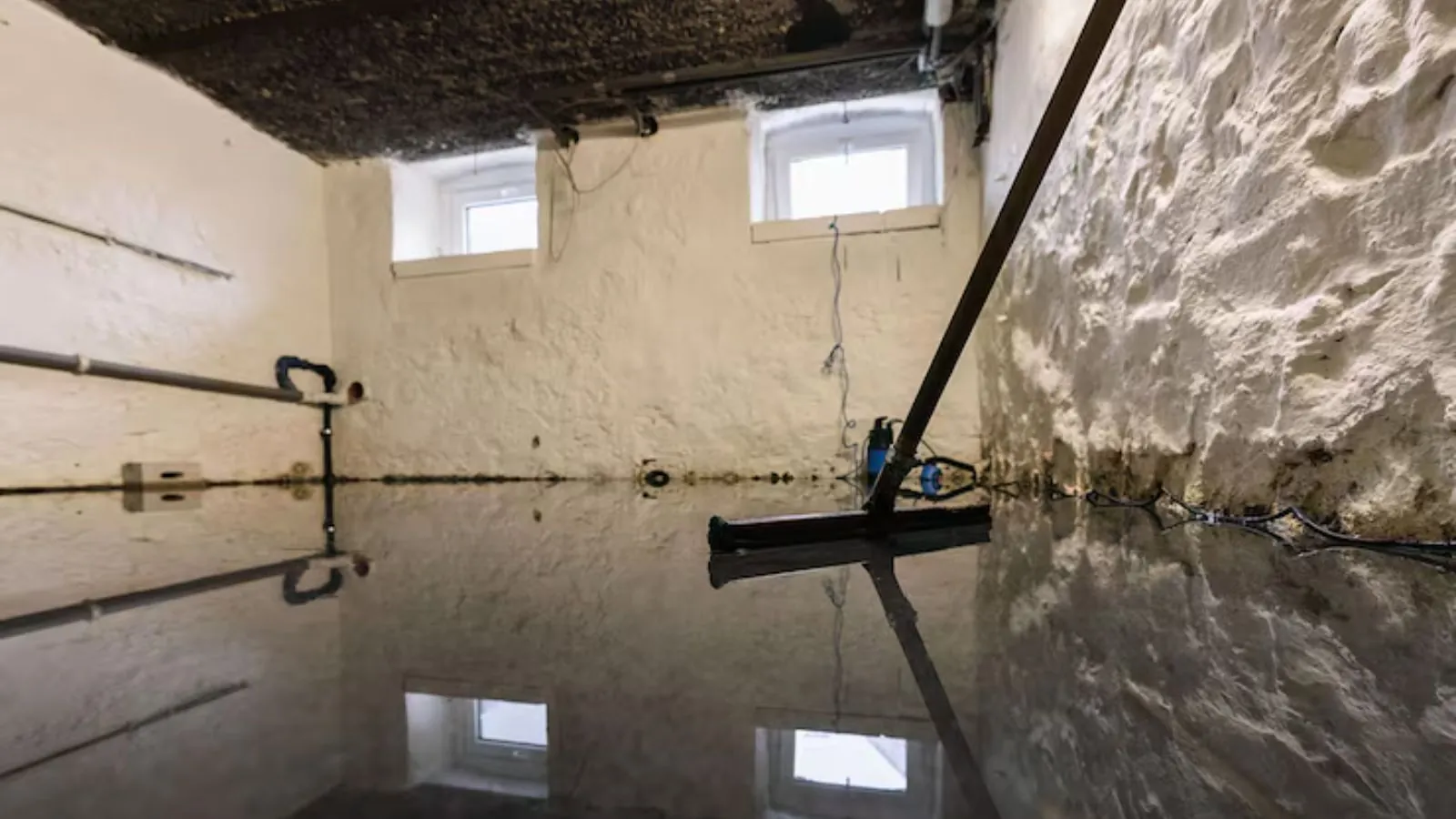
Flood damage is different from a plumbing leak because the water comes from outside, carries soil and contaminants and often arrives with little warning. Tropical Storm Chantal on July 6, 2025 reminded Chapel Hill of that. Orange County's after-action summary of the storm reported 448 homes directly impacted countywide, 244 of them with major damage, and the National Weather Service recorded heavy rain across the area. This page explains how flood cleanup works and what to do before the crew arrives.
When floodwater is an emergency
If water is inside your home from a creek, drainage or storm runoff, treat it as an emergency. Floodwater is generally considered contaminated, and porous materials that sat in it often cannot be saved. Stay out until power is safe, wear boots and gloves, and keep children and pets clear.
Never turn on electrical equipment in a flooded space. If the panel or outlets were underwater, call the utility or an electrician before restoring power. Floodwater can also carry fuel and chemicals from garages and driveways.
Chapel Hill flood context
Chapel Hill sits across several creek valleys. Booker Creek runs beneath Eastgate Crossing, and Chapel Hill built Booker Creek Basin Park in 2020 to hold stormwater from 25-year events. News reports described Chantal as far beyond that level, and the Town and others have since studied flood mitigation. Morgan Creek and Bolin Creek also rose during the storm. Homes near any of these waterways deserve extra attention when heavy rain is forecast.
To check your own risk, use the FEMA Flood Map Service Center for your address and ask the Town of Chapel Hill about local flood regulations and permits before major repairs.
What flood cleanup involves
- Safety check. We assess power, structural issues and contamination.
- Water removal. Pumps and extraction units remove bulk water and silt.
- Material triage. Soaked drywall, insulation, carpet pad and some flooring are removed because they hold contamination.
- Cleaning. Hard surfaces are washed and treated with antimicrobial products.
- Drying. Air movers and dehumidifiers dry the structure while moisture readings guide the next steps.
- Documentation. Photos and notes support your claim and any assistance applications.
Category 3 water and what it means
Industry standards such as ANSI/IICRC S500 group water into categories. Floodwater is normally treated as Category 3, meaning it may carry harmful organisms. That is why drywall, insulation and carpet that touched it are usually removed rather than dried. Ask any restoration company whether its crews work to S500.
| Material | Soaked in floodwater | Usual outcome |
|---|---|---|
| Carpet and pad | Yes | Removed and replaced. |
| Drywall and insulation | Yes | Cut out above the waterline. |
| Hardwood floor | Yes | Often removed, depends on contact time. |
| Concrete and tile | Yes | Cleaned and treated, dried in place. |
Insurance and flood coverage
Standard homeowners policies generally exclude flood and rising water, and the North Carolina Department of Insurance says a separate flood policy is needed for that kind of loss. If you have flood insurance through the National Flood Insurance Program or a private carrier, report the loss promptly and ask what documentation is required. We will not tell you what your policy covers, but we will help you document damage. See the NCDOI page at ncdoi.gov.
Re-entering a flooded home
Check with local officials that it is safe to return. Look for sagging ceilings and shifted foundations, never enter water that may be electrified and wear boots, gloves and a mask. Do not run a generator inside the house.
Related pages cover basement cleanup, carpet damage and structural drying.
What changes the cost
Price follows how deep and how long the water stood, how much floor area was affected, how many materials must be removed, drying days and the rebuild. Scope and price are explained before work starts. Want your real number? Call (844) 950-6900.
If flooding also pushed sewage into your home, see sewage backup cleanup. For rain-driven damage without creek flooding, our storm water damage page may fit better.
Questions homeowners ask
Do you handle flood damage emergencies at night or on weekends in Chapel Hill?
Yes. The line is open 24/7 and we dispatch the same day when a crew is available, including during storms. In widespread flooding, demand rises, so call early and describe the water depth, the source and any power concerns.
Can floodwater damage be dried instead of removed?
Hard materials like concrete can be cleaned and dried in place. Porous materials that sat in floodwater are usually removed, because contaminants stay inside them.
Is flood damage covered by homeowners insurance?
Usually not. Standard policies generally exclude flood, and separate flood insurance is typically required. Ask your insurer and check FEMA guidance.
How do I know if my home is in a flood zone?
Search your address on the FEMA Flood Map Service Center and ask the Town of Chapel Hill. Homes outside mapped zones can still flood, as Chantal showed.