
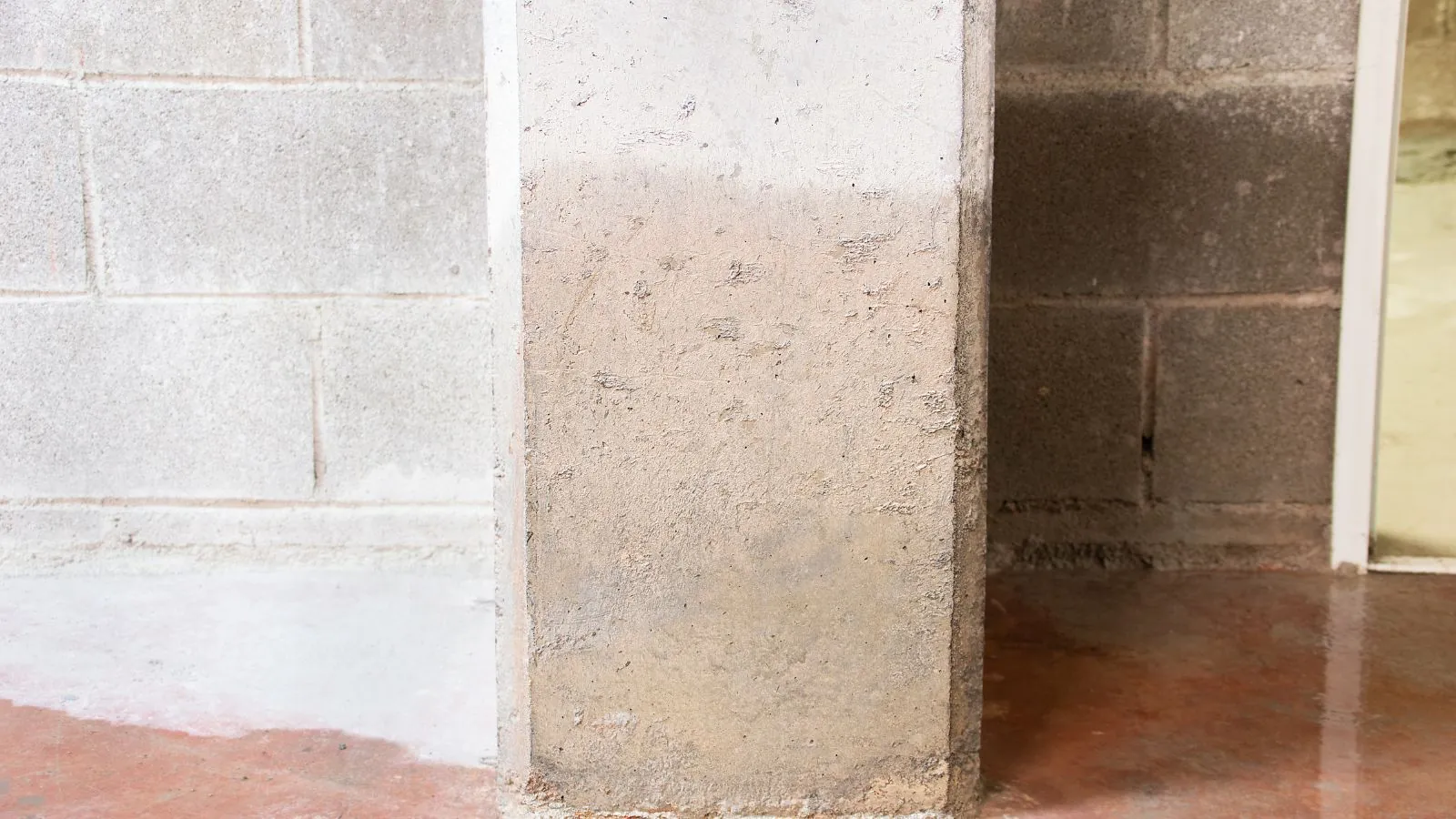
Not all leaks announce themselves with a puddle. Some run quietly behind walls, under floors or in the slab for weeks. By the time you notice a stain or a musty smell, the damage may already be significant. The good news is that a few simple checks can reveal a hidden leak, and professional tools can pinpoint where water is going. This guide covers warning signs, the water meter test and what to do when you suspect a leak.
Leak detection is a plumbing task, while drying afterward follows the ANSI/IICRC S500 standard.
Warning signs of a hidden leak
Higher water bill
Usage rises without a change in habits.
Sound of running water
You hear water when no fixture is on.
Damp or musty smell
Moisture is present in a wall, floor or crawl space.
Warm spots on the floor
A hot water line may be leaking under a slab.
Cracks or stains
Water is moving through materials.
Low water pressure
A leak reduces pressure.
Mold or mildew
Persistent moisture helps growth.
The water meter test
- Turn off every fixture and appliance that uses water.
- Find your water meter, usually in a box near the street or in the basement.
- Read the meter, or note whether the small leak indicator is moving.
- Wait fifteen to thirty minutes without using water.
- Read it again. If the reading changed, water is moving somewhere.
This test tells you a leak exists, not where. If the meter moves, shut off the main and call a plumber or leak detection professional.
Toilet and fixture checks
Toilets are common sources of waste. Add a few drops of food coloring to the tank, wait fifteen minutes without flushing and check the bowl. Color in the bowl means the flapper is leaking. Look under sinks and around appliances for drips, rust and swollen cabinet bottoms. Check washing machine hoses and the water heater pan.
Walls, ceilings and floors
Look for paint bubbling, discoloration, soft drywall and warped baseboards. Press gently on stained areas. A thermal camera or moisture meter can reveal wet spots behind finished surfaces. If hardwood is cupping or tile has loose spots, water may be coming from below. Our hardwood floor page explains the patterns.
Slab leaks and crawl space leaks
A slab leak often shows as a warm spot, a sound or a rising water bill. A crawl space leak may appear as damp soil, wet insulation or a musty smell inside the house. Leak detection professionals use acoustic listening gear, pressure tests and thermal imaging. See slab leak water damage and crawl space water damage.
Outdoor and irrigation leaks
Water can leak outside the house and still show up inside. A leaking irrigation line, outdoor spigot or service line can saturate soil near the foundation. Look for wet or unusually green patches, soft ground and pooling near the house.
When to call a plumber and when to call us
A plumber finds and repairs the leak. A restoration company dries the damage and removes materials that cannot be saved. In many cases you need both. If water is spreading, call a plumber to stop it and call us to start drying. Do not wait for the plumber to finish before arranging drying, since delays allow damage to spread.
What municipal water looks like in Chapel Hill
The Orange Water and Sewer Authority (OWASA) supplies Chapel Hill, Carrboro and UNC with water from University Lake, Cane Creek Reservoir and Quarry Reservoir. Water is treated at its Jones Ferry Road plant. The system serves about 86,300 people through roughly 400 miles of pipe.
If your meter test shows movement and the leak is on your side of the meter, it is your responsibility. A leak before the meter is the utility's job, so call OWASA if the problem appears to be in the service line before your meter.
Seasonal checks
Before winter, disconnect outdoor hoses and protect exposed pipes. After a freeze, check for leaks when temperatures rise. In summer, watch for condensation and drain overflow from air conditioning. See AC leak water damage for common causes.
Document what you find
Take photos, note the date and keep your water bills. These help with repairs and with insurance if the leak is sudden. Keep any failed parts.
Do not ignore small signs
A small increase in your water bill or a faint musty smell can be the first sign of a larger problem. Acting early often keeps repair work small. Call (844) 950-6900 if you want a moisture check.
Professional leak detection
Plumbers and leak detection specialists use acoustic listening devices, pressure testing, tracer gas and thermal imaging. These tools find leaks without tearing out large sections of floor or wall. Ask the professional to mark the location and explain the repair options. Then coordinate with the restoration crew so wet materials are dried and the repair area is accessible.
What the repair may involve
Repair options range from replacing a short section of pipe to rerouting lines through walls or attics. Some leaks require opening a floor or wall. Plan for access, and ask the contractor to protect surrounding finishes. After repair, a pressure test confirms the leak is fixed before anything is closed up.
After the leak is fixed
Fixing the pipe does not dry the structure. Walls, subfloors and insulation can remain wet for weeks. Ask for moisture readings and a drying plan. Closing a wall over damp materials can lead to mold and rot, so confirm dryness before you finish.
Saving water and money
A leak that runs for weeks can waste a surprising amount of water and raise your bill. Many utilities will review bills if you can show the cause and repair. Ask your water provider whether an adjustment is possible and keep your repair invoice.
Reading your water bill
Compare the last twelve months of usage. A steady climb without a reason suggests a slow leak. A sudden jump suggests a break. Seasonal changes such as irrigation explain some increases, so look for a rise in winter when irrigation is off. Keep your bills with your other records so you can show a timeline.
When the leak is shared
In multi-unit buildings, a leak may come from a shared line or a neighbor. Tell your manager and ask them to inspect adjacent units and common walls. Photograph your damage and keep dated copies of every message. Shared leaks are easier to resolve when everyone is notified early.
The same advice applies if you live outside town. We also serve homeowners in Pittsboro and Durham, and the emergency line is the same.
Prefer to talk it through? Dial (844) 950-6900 any hour.
Questions about this topic
How do I know if my water meter shows a leak?
Turn off all water and watch the meter or leak indicator. Movement means water is flowing.
Can a slab leak be fixed without breaking the floor?
Sometimes, depending on location and method. A plumber can explain the options.
Will a moisture meter find a pipe leak?
It can show wet areas, which helps guide a plumber to the source.
Who pays for a leak before the meter?
The utility typically handles its own lines. Contact them first.