
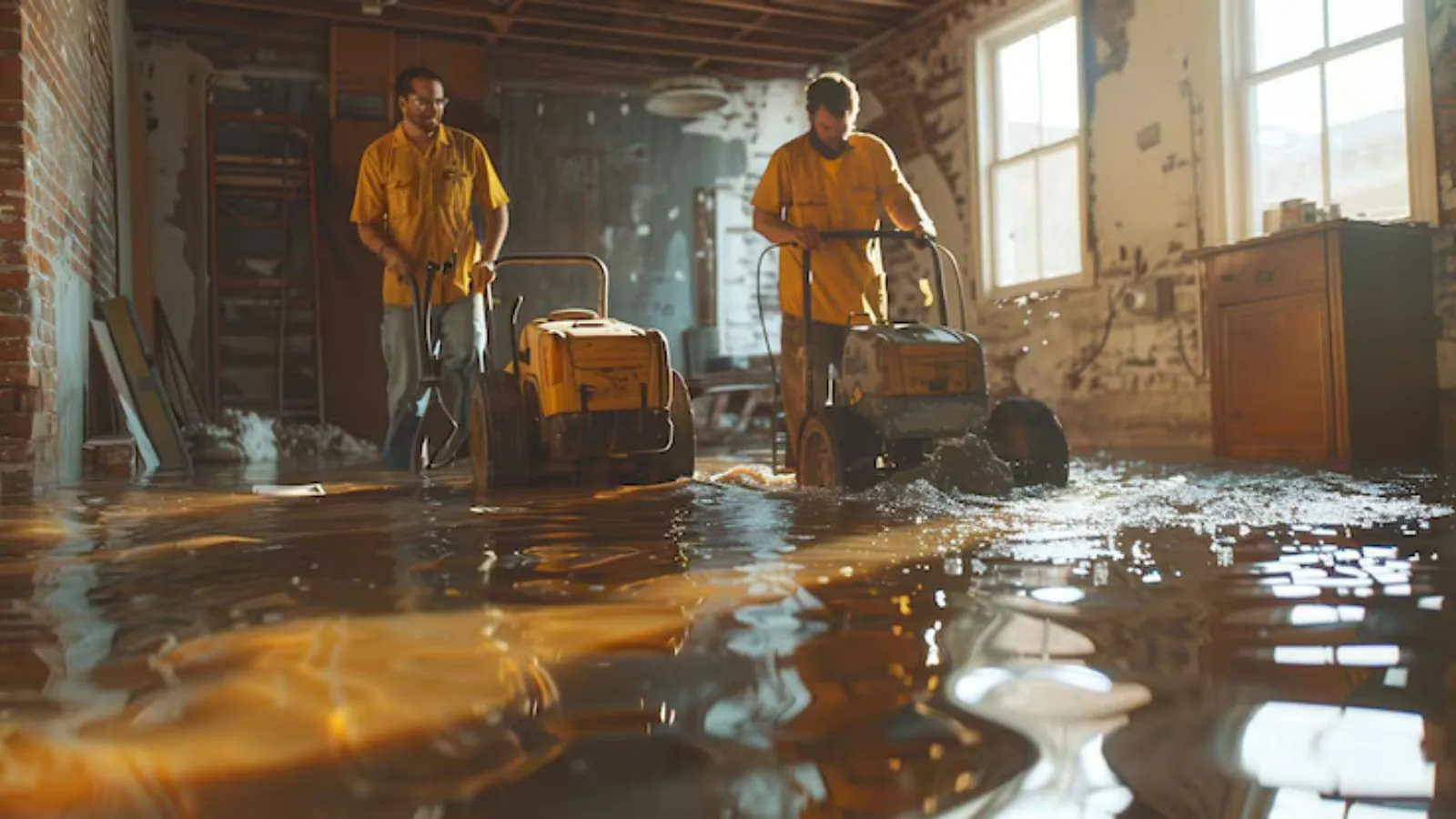
Not all water is the same. Restoration professionals sort water into three categories based on how contaminated it is, and the category changes the plan. The same flooded carpet may be dried in place after a supply line break and thrown away after a sewer backup. This guide explains the categories, how water can move between them and what each means for your home. The framework comes from the ANSI/IICRC S500 standard for professional water damage restoration.
Category 1: clean water
Category 1 water comes from a sanitary source, such as a broken supply line, a leaking faucet, a failed appliance hose or a rain leak that has not touched contaminants. At the moment of release it poses little risk. Materials can often be dried in place, and many items can be saved. Clean water does not stay clean forever. Time and contact with dirty surfaces can degrade it.
Category 2: gray water
Category 2 water has some contamination that could cause illness if consumed or contacted. Typical sources include dishwasher or washing machine overflow, toilet overflow with urine only and water from aquariums. Porous materials such as carpet pad and drywall often need to be removed, depending on how long the water sat and how it moved. Hard surfaces can usually be cleaned and dried.
Category 3: black water
Category 3 water is grossly contaminated and can contain pathogens. Sewage backups, flood water from creeks and rivers and water from standing outdoors are common examples. Porous materials that touched it are removed. Hard materials are cleaned and sanitized, and protective equipment is required. Do not enter or handle category 3 water without proper protection. See sewage backup cleanup and flood damage restoration.
Why category can change
Water changes category with time and contact. Clean water that spreads through a dirty crawl space, picks up debris or sits for a long period can degrade. That is why quick extraction matters. A category 1 loss that is dried the same day is a different job than a category 1 loss left for several days.
| Category | Example sources | Typical approach |
|---|---|---|
| 1 | Supply line, faucet, water heater | Extract and dry in place when caught fast. |
| 2 | Appliance overflow, sump pump failure | Remove porous materials, clean, dry. |
| 3 | Sewage, creek flood, standing outdoor water | Remove porous materials, clean, sanitize, dry. |
Classes of water damage
Separate from category, restoration also uses classes to describe how much and how fast water will evaporate. Class 1 has the least affected material, and class 4 involves materials that hold deep moisture, such as hardwood or concrete. Category tells you how dirty the water is. Class tells you how hard the structure is to dry. A job can be category 1 and class 3, for example, if clean water soaked ceilings, walls and carpet.
What this means for carpet and drywall
Carpet and pad are the most common victims of category decisions. Clean water on carpet may be saved by quick drying. Contaminated water means removal. Drywall follows similar rules. See carpet water damage restoration for how the pad and subfloor are handled.
What you should do
- Do not guess the category. Describe the source to the dispatcher.
- Keep children, pets and people with health concerns away from category 2 and 3 water.
- Do not use household fans or a regular vacuum in contaminated water.
- Wear gloves and boots if you must enter, and wash well afterward.
- Photograph the water and the source before cleanup.
Creek and storm water in Chapel Hill
During Tropical Storm Chantal on July 6, 2025, creeks including Booker Creek, Morgan Creek and Bolin Creek flooded, and Orange County counted 448 homes directly impacted. Flood water that rises from creeks is treated as contaminated, so porous materials that touched it are usually removed even when the water looked clear. If your home was affected, ask the crew how the water was classified.
Water from the utility
The Orange Water and Sewer Authority supplies drinking water to Chapel Hill, Carrboro and UNC, serving about 86,300 people. A break in your line inside the building is category 1 at the start. Water that was supplied by the utility is clean at the source, but that does not guarantee it remains clean after contact with a dirty floor.
Insurance and categories
Insurers also pay attention to source. Category 1 losses from a sudden internal source are often covered. Sewer backup and flood losses may need separate coverage. Ask your agent which water backup and flood protections you have.
When to call a professional
If the water is category 2 or 3, or if you cannot tell, call a professional. The wrong cleanup can spread contamination and create health risks. For clean water losses, call early to prevent a clean loss from degrading. Call (844) 950-6900 for guidance.
Common household situations and their categories
A washing machine hose that bursts is usually category 1 at the start. A dishwasher that overflows with dirty water may be category 2. A toilet that overflows with solid waste is category 3. A sump pump that fails and lets groundwater in can be category 2 or 3 depending on what the water carried. A water heater that ruptures is category 1. The technician decides on site because the details matter.
Protective gear and safe handling
Category 2 and 3 cleanup uses gloves, boots, eye protection and respiratory protection as needed. Contaminated materials are bagged and removed carefully so they do not spread to clean areas. Surfaces are cleaned with disinfectant and dried. Air handling may be controlled to keep dust and droplets from moving through the house.
Why you should not rush to save everything
It is tempting to keep a favorite rug or a piece of furniture. For category 1 water caught early, many items can be saved. For category 3 water, porous items are rarely safe to keep. A crew can tell you which belongings can be cleaned and which cannot. Photograph items you must discard so your insurer has a record.
Children, pets and health
People with weak immune systems, young children and pets are more vulnerable to contaminated water. If you are unsure of the category, treat the water as contaminated until a professional says otherwise, and keep those people away. We do not provide medical advice. If anyone is ill after exposure, contact a doctor.
The same advice applies if you live outside town. We also serve homeowners in Durham and Pittsboro, and the emergency line is the same.
Prefer to talk it through? Dial (844) 950-6900 any hour.
Questions about this topic
Is rainwater category 1?
Rain that leaks through a roof is often treated as clean at first, but it can pick up contaminants as it passes through materials. A technician decides.
Can category 3 carpet be cleaned and saved?
Standard guidance calls for removing porous materials that contacted category 3 water.
Does clean water stay clean?
Not necessarily. Time, temperature and contact with dirty surfaces can turn category 1 into category 2.
Who decides the water category?
The technician assesses the source and conditions. Your insurer may also have input.